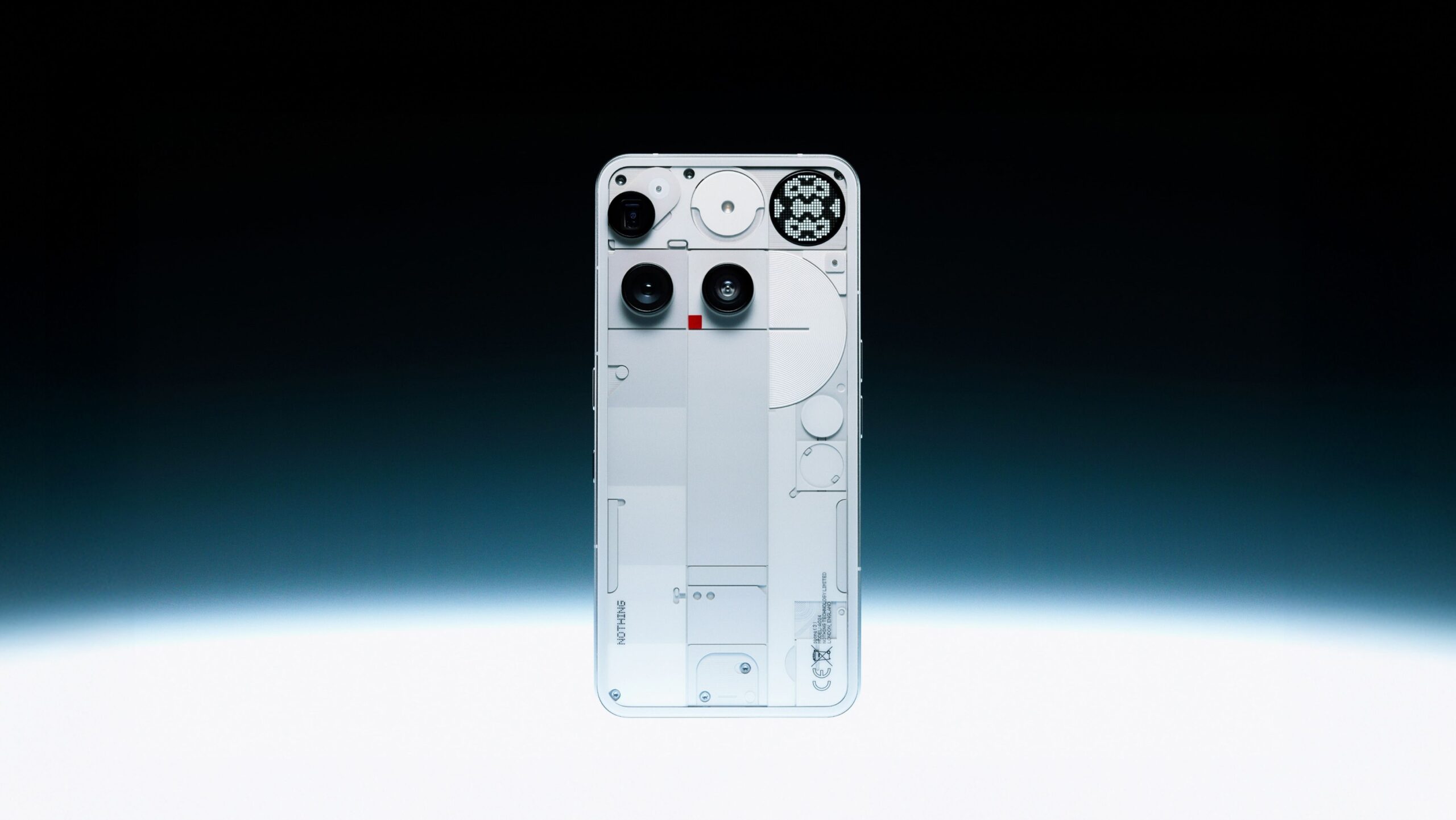
| Network | Technology | GSM / HSPA / LTE / 5G |
| SIM | Nano-SIM + eSIM | |
| Launch | Announced | 2025, August 20 |
| Status | Available. Released 2025, August 28 | |
| Body | Dimensions | 152.8 x 72 x 8.5 mm |
| Weight | 207g | |
| Build | Glass front & back (Gorilla Glass Victus 2), aluminium frame, IP68 rating | |
| Display | Type | LTPO OLED, 120Hz, HDR10+, 2200 nits HBM, 3300 nits peak |
| Size | 6.3 inches | |
| Resolution | 1280 x 2856 pixels, 495 PPI | |
| Platform | OS | Android 16 |
| Chipset | Google Tensor G5 (3nm) | |
| CPU | Octa-core Cortex-X4 / Cortex-A725 / Cortex-A520 | |
| GPU | PowerVR DXT-48-1536 | |
| Memory | RAM | 16GB RAM |
| Storage | 128GB / 256GB / 512GB / 1TB | |
| Main Camera | Triple Camera | 50MP Wide + 48MP Periscope Telephoto + 48MP Ultra-wide |
| Features | Laser AF, Ultra HDR, Best Take, Zoom Enhance | |
| Video | 8K 30FPS, 4K 60FPS, 1080p 240FPS | |
| Selfie Camera | Camera | 42MP Ultra-wide |
| Video | 4K 60FPS | |
| Sound | Speakers | Stereo Speakers |
| 3.5mm Jack | No | |
| Connectivity | WiFi | Wi-Fi 7 |
| Bluetooth | Bluetooth 6.0 | |
| USB | USB Type-C 3.2 | |
| NFC | Yes | |
| Features | Sensors | Ultrasonic Fingerprint, Gyroscope, Barometer, Thermometer |
| Extra | Satellite SOS, Ultra Wideband (UWB) | |
| Battery | Type | 4870mAh Li-Ion |
| Charging | 30W Wired • 15W Wireless • Reverse Charging | |
| Colours | Available Colours | Moonstone • Jade • Porcelain • Obsidian |
| Price | Expected Price | £767 / $610 / ₹109,900 |
The Google Pixel 10 Pro has officially launched, and it marks the first Google Pixel device featured on our channel. With plenty of excitement surrounding Google’s latest flagship smartphone, we decided to spend some hands-on time with the new Pixel to see whether it truly lives up to the hype.
After testing the device, our opinions are somewhat mixed. While the Pixel 10 Pro delivers several impressive upgrades, there are also a few areas that may leave some users wanting more. Online reactions have also been divided, making this one of the most talked-about smartphone launches of the year so far.
In this review, we’ll unbox the Google Pixel 10 Pro, explore its design, performance, camera quality, battery life, and software experience, and help you decide whether it is worth buying in the UK market.
Build & Design – Google Pixel 10 Pro
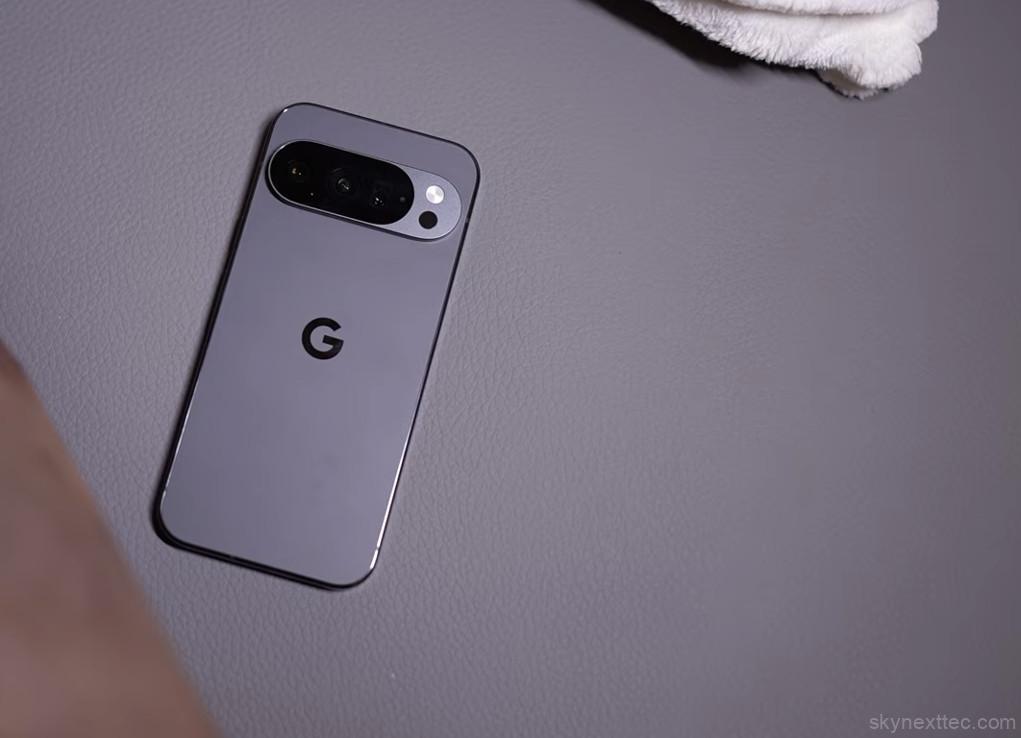
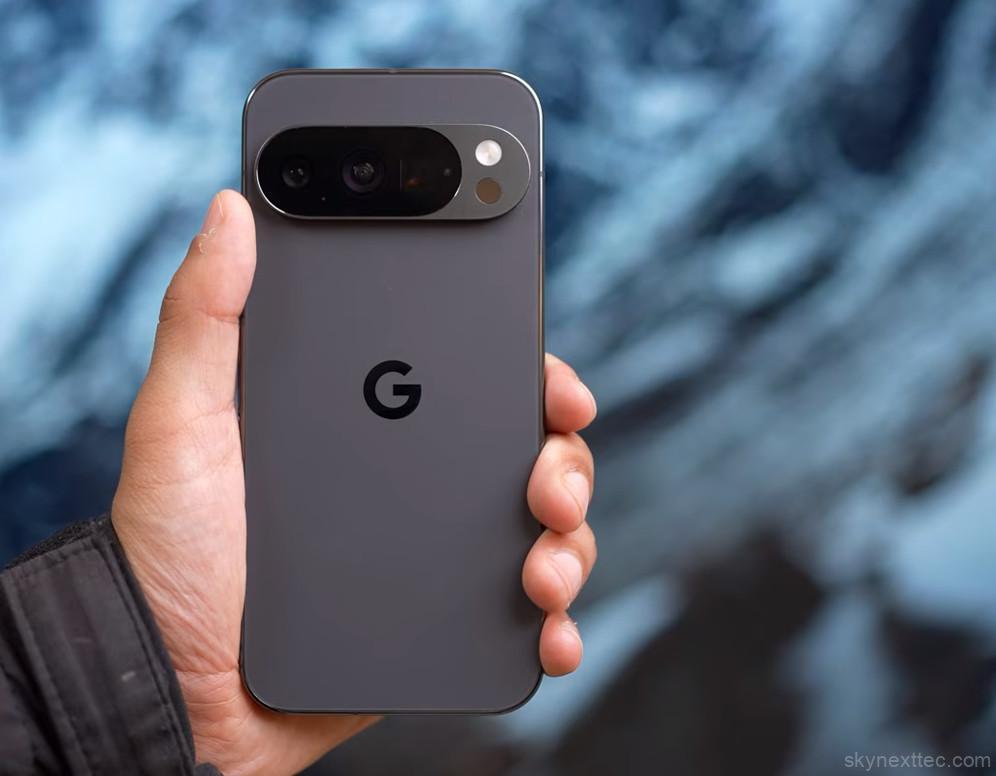
The Google Pixel 10 Pro keeps a familiar design, but the bigger battery and improved charging are noticeable upgrades. The overall look and feel remain premium, and the phone immediately gives off a true flagship vibe when held in hand.


Design & In-Hand Feel
- Premium glossy metal frame with a matte finish
- Feels similar to the iPhone 15 Pro and iPhone 16 Pro
- Rounded corners for a comfortable grip
- Large camera module at the back
- 6.3-inch form factor feels comfortable in daily use
- Corning Gorilla Glass Victus 2 protection on the front and back
- IP68 water and dust resistance rating
- Premium and solid in-hand feel
Ports & Buttons
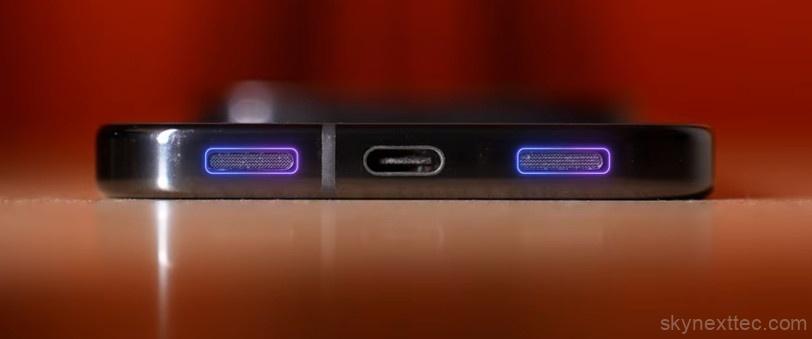
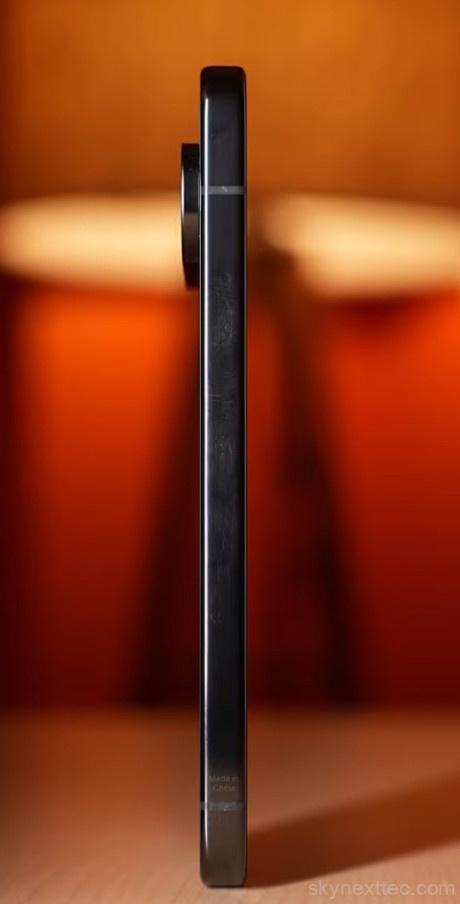
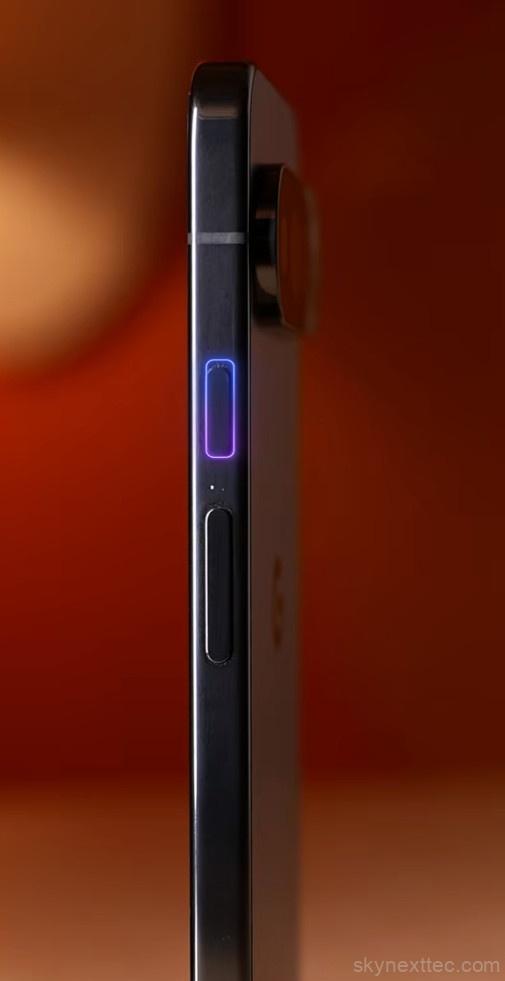
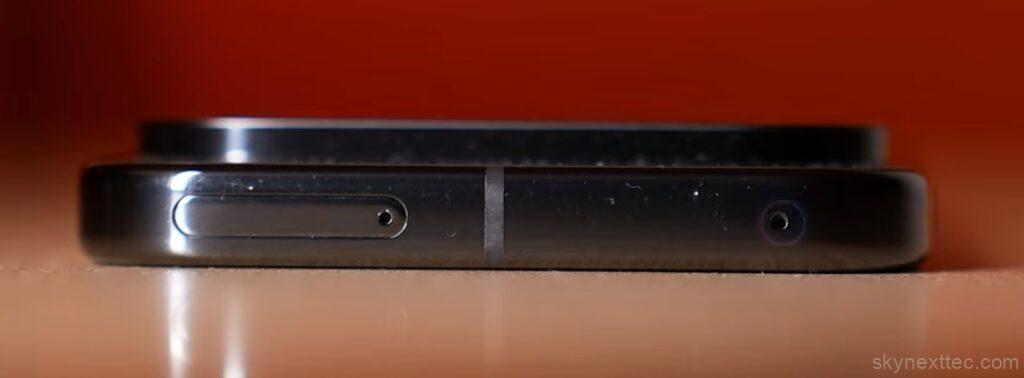
- SIM tray supports one physical SIM only
- Second SIM works via eSIM
- USB Type-C 3.2 Gen 1 port with display output support
- Useful for screen mirroring and gaming on a larger display
- Stereo speakers with good clarity and separation
What We Didn’t Like
The button placement feels unusual. Google has placed the power button above the volume buttons, which is opposite to most smartphones in the market. During use, this can lead to accidental volume button presses, especially when trying to lock the phone. It may take some time to get used to this layout.
Audio & Haptics – Google Pixel 10 Pro
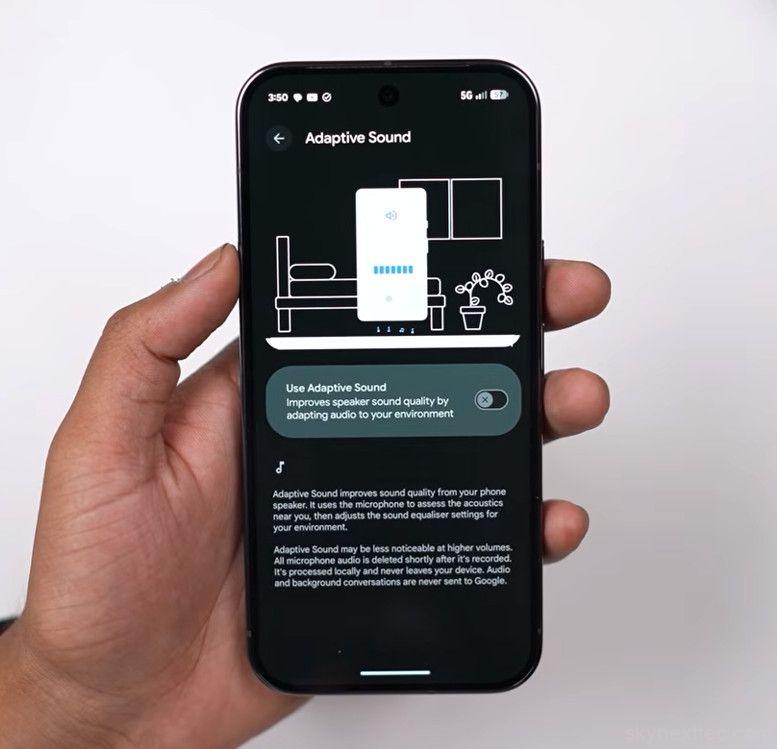
The stereo speakers on the Google Pixel 10 Pro deliver good clarity and channel separation, making the overall audio experience enjoyable for videos, gaming, and music. The loudness is decent, although it is not the loudest flagship smartphone in its segment. Google does not include Dolby Atmos support, but you still get useful features like Adaptive Sound and Spatial Audio in the sound settings.
For wireless audio, the phone supports LDAC and several other audio codecs, although LHDC support is missing.
One of the standout features of the Google Pixel 10 Pro is its haptics. The phone uses a premium X-Axis linear motor, and the vibration feedback feels extremely refined throughout the UI. From typing to navigation gestures, the haptic implementation feels polished and flagship-grade. Google also allows users to adjust the vibration intensity directly from the settings menu.
Display – Google Pixel 10 Pro
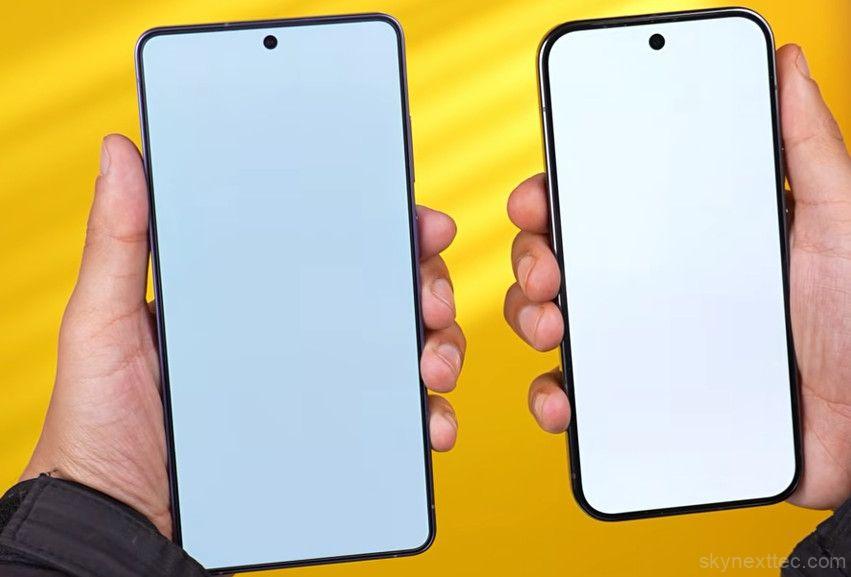
The 6.3-inch LTPO OLED display on the Pixel 10 Pro supports a 1Hz to 120Hz adaptive refresh rate, making scrolling, gaming, and animations feel smooth. Colours look vibrant with Natural and Adaptive modes, while the 960 nits brightness provides good visibility indoors and outdoors.
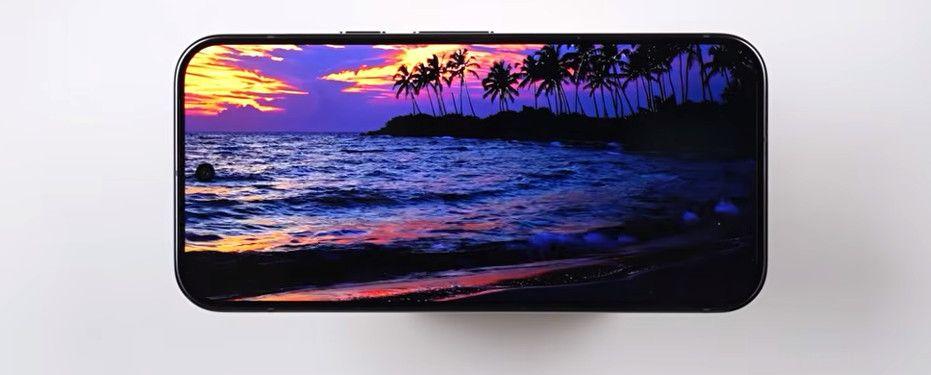
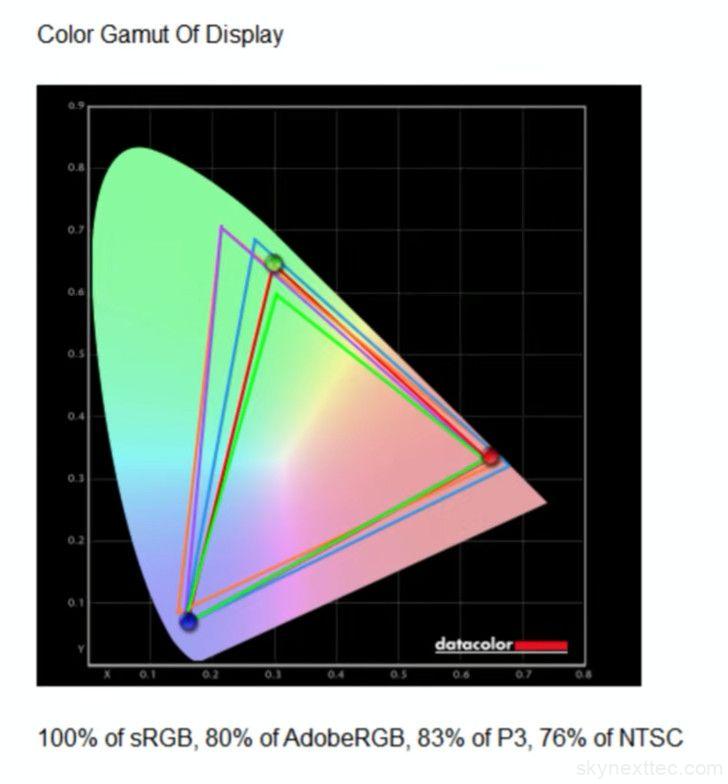
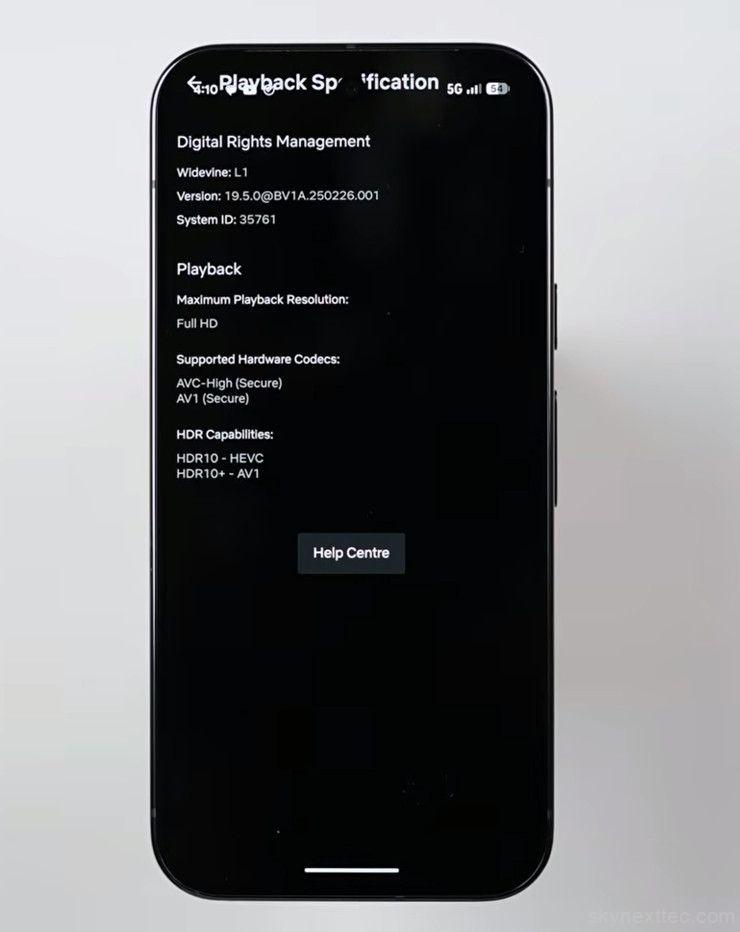
For media consumption, the phone supports HDR10+, Widevine L1, Always-On Display, and Spatial Audio. HDR performance is impressive with strong contrast and good detail in both bright and dark scenes.
However, the thicker bezels make the phone feel slightly less premium compared to flagship rivals like the Samsung Galaxy S26 Ultra and iPhone 17 Pro.
Specifications & Performance – Google Pixel 10 Pro
The Pixel 10 Pro is powered by Google’s latest Tensor G5 octa-core processor, paired with LPDDR5X RAM and UFS 4.0 storage. Storage performance is fast, with good read and write speeds for app loading and file transfers.
One area where the phone performs really well is RAM management. Apps stay active in the background for a long time, allowing smooth multitasking without frequent app reloads.
However, considering the premium pricing, the overall performance experience may not feel as exciting as some competing flagship smartphones in this segment.
Benchmarks & Performance – Google Pixel 10 Pro
The Google Pixel 10 Pro is clearly not focused on raw performance like many other flagship smartphones. Compared to rivals in the premium segment, the overall benchmark scores are lower.
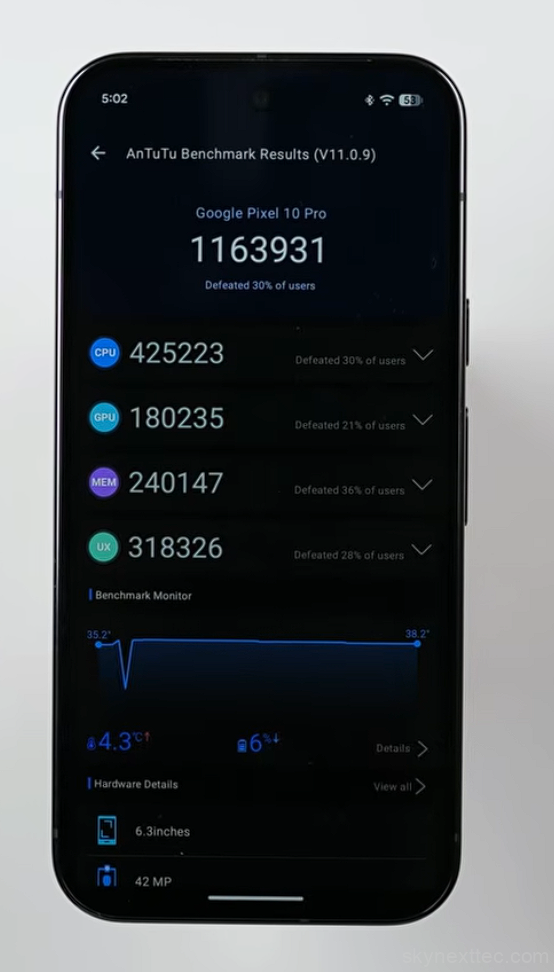
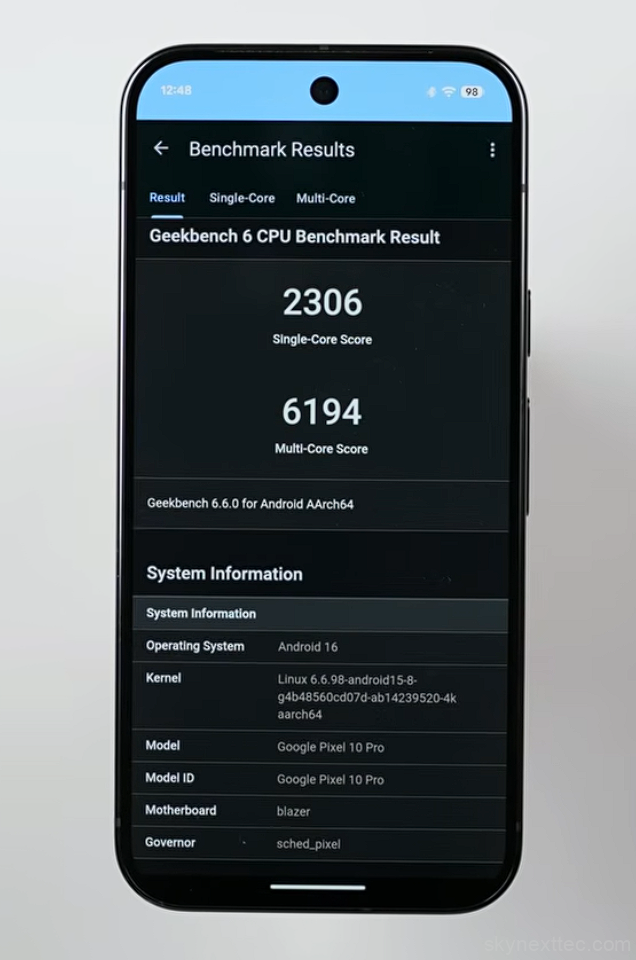
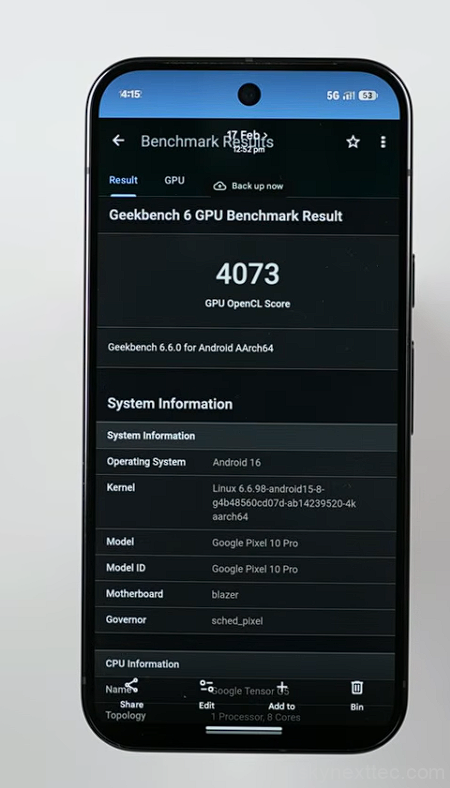
The phone scored around 1.16 million on AnTuTu, while the Geekbench 6 results were also average for a flagship device. GPU performance was not particularly impressive either, with the OpenCL score sitting around 4000.
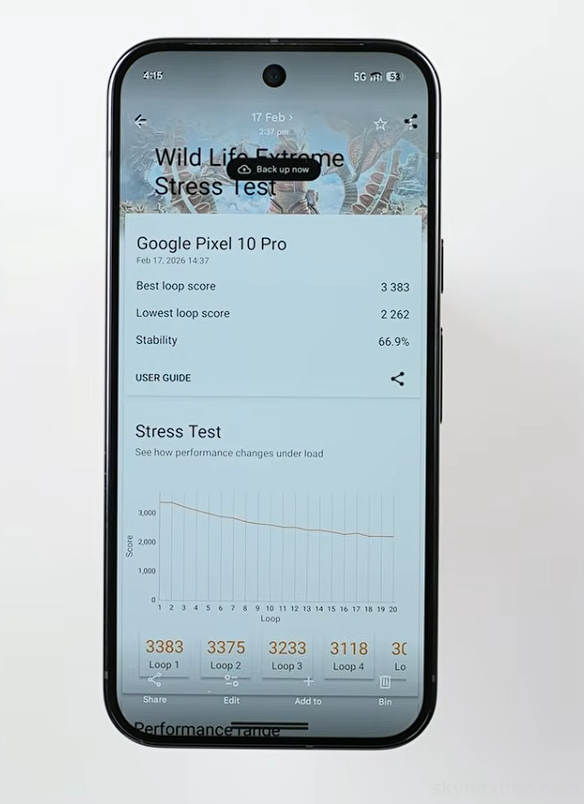
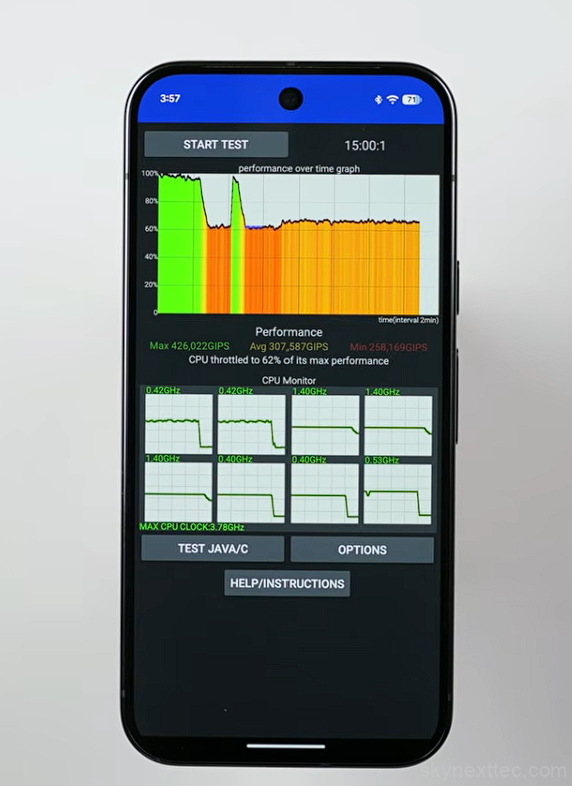
In the 3DMark Wild Life Extreme test, both the performance numbers and loop scores were on the lower side, although the stability remained decent during extended testing. The CPU throttle test also showed stable behaviour, as the device did not throttle heavily even after 30 minutes of stress testing.
On the connectivity side, the Pixel 10 Pro performs well. It supports 23 5G bands, along with WiFi 7 and Bluetooth 6.0 for faster and more reliable wireless connectivity.
Sensors, Connectivity & Gaming – Google Pixel 10 Pro
The Pixel 10 Pro comes with all the essential flagship connectivity features, including NFC, WiFi 7, and Bluetooth 6.0. It also features a fast and reliable ultrasonic fingerprint sensor, which works smoothly for unlocking the device.
For gaming and motion-based applications, the phone includes a Gyroscope sensor, which helps improve gaming controls and motion tracking accuracy.
One feature missing here is an IR blaster. While most flagship phones no longer include it, it would still have been a useful addition for controlling TVs and other smart devices.
On the gaming side, Google keeps things simple. There is no dedicated gaming mode menu, but users do get a floating Game Bar with useful tools like:
- Do Not Disturb (DND)
- FPS counter
- Screenshot shortcuts
- Quick gaming controls
The Pixel 10 Pro also supports bypass charging, a useful feature for gamers. Once the battery reaches around 80%, power is supplied directly to the motherboard instead of continuously charging the battery, helping reduce heat and improve long-term battery health.
Gaming Performance – Google Pixel 10 Pro
The gaming experience on the Pixel 10 Pro is decent, but it is clearly not designed as a hardcore gaming smartphone. Casual gaming works well, although demanding titles show the limits of the Tensor G5 chipset.
During extended gaming sessions, the chipset temperature reached around 42°C to 45°C, causing the phone to feel noticeably warm in the hand. Performance remains stable for most games, but compared to gaming-focused flagship devices, the Pixel 10 Pro falls behind in sustained high-end gaming performance.
OS & UI – Google Pixel 10 Pro
The Pixel 10 Pro runs on Android 16 out of the box and comes with an impressive 7 years of major Android updates along with 7 years of security patches. Since it is a Google device, updates arrive quickly and consistently.
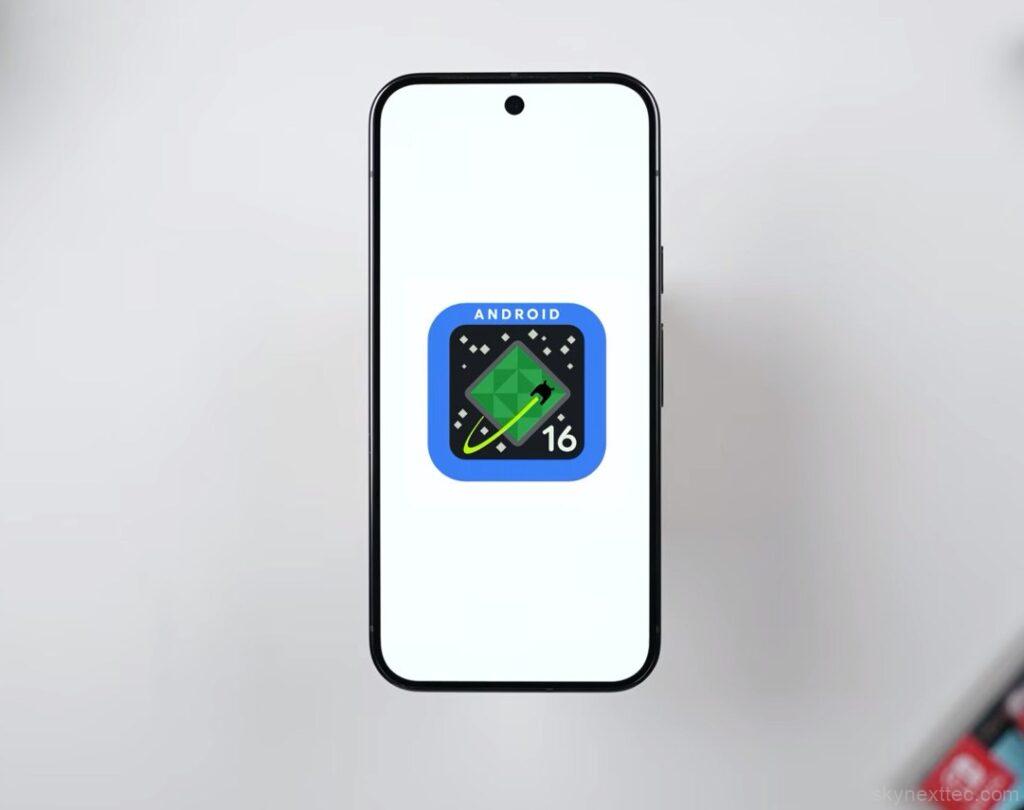
The software experience is one of the strongest parts of the phone. You get a clean stock Android interface with:
- No bloatware
- No unnecessary ads
- Smooth and fluid animations
- Fast app opening and closing performance
The UI feels responsive and polished, mainly because the software remains lightweight and uncluttered.
Customisation Features
Google offers plenty of personalisation options, including:
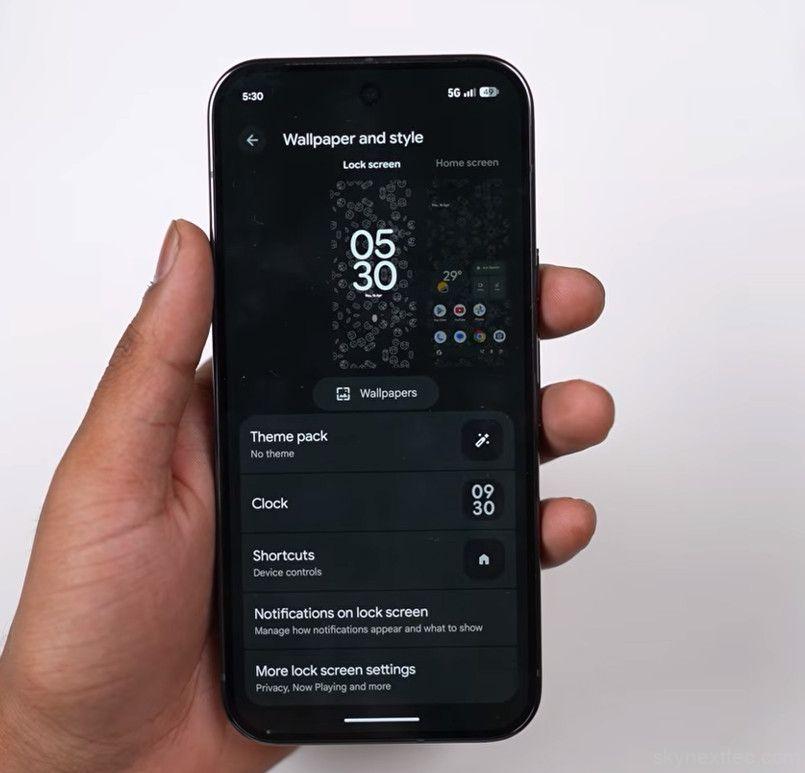
- Live wallpapers
- Cinematic motion wallpapers
- Weather and shape effects
- AI-generated wallpapers
- Emoji and pattern wallpapers
- Customisable lock screen
The phone also includes Notification History, allowing users to view older dismissed notifications.
Smart Features
The Pixel 10 Pro includes several smart software tools powered by Google AI:
- Camera Coach for photography guidance
- Best Take feature for improving group photos
- Add Me feature to include the photographer in group shots
- Gesture controls for quickly switching cameras
- Voice Access for hands-free phone control
- Live Caption support
- Audio Eraser for reducing unwanted noise in videos
- Back Tap gestures for shortcuts
A unique addition is the Audio Emoji feature in calls, where tapping an emoji plays matching sound effects for the other person during conversations.
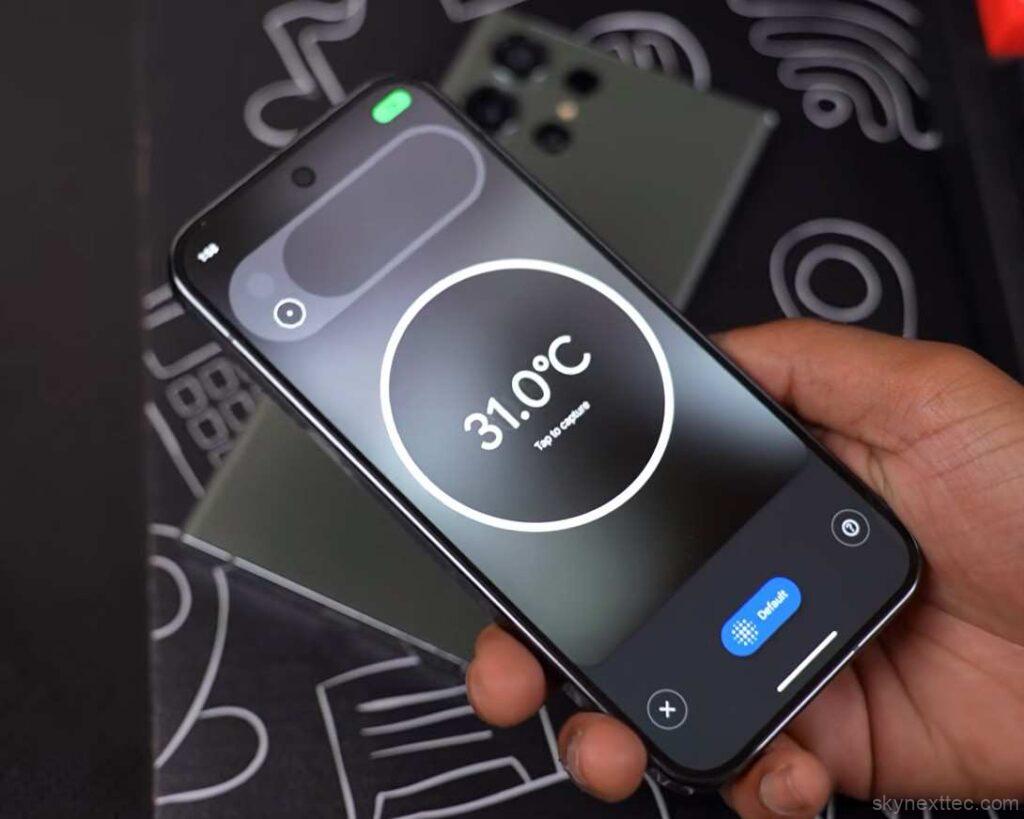
Temperature Sensor
The phone also features a built-in temperature sensor located below the camera flash. It can measure the temperature of objects, liquids, or surfaces when needed.
Since this is a Google flagship, the device also includes the latest Gemini AI features, giving users access to Google’s advanced AI tools and smart assistance throughout the system.
AI Features – Google Pixel 10 Pro
AI is one of the biggest highlights of the Pixel 10 Pro. Google continues to offer the latest and most advanced AI features on Pixel devices before they arrive on other Android smartphones.
The phone comes with the Pixel Studio app, which allows users to generate and edit images using AI prompts. There are also multiple presets and creative tools available for quick customisation.
Google has also integrated AI writing tools throughout the system, helping users draft messages, emails, and text more efficiently. The Voice Recorder app also uses AI features for smarter transcriptions and summaries.
At the centre of the experience is Gemini AI, which is deeply integrated into the Pixel ecosystem. Users can ask for recommendations, generate replies, manage emails, and perform various tasks across apps using natural voice or text commands. The overall AI experience feels smooth, smart, and well-connected throughout the system.
Battery – Google Pixel 10 Pro
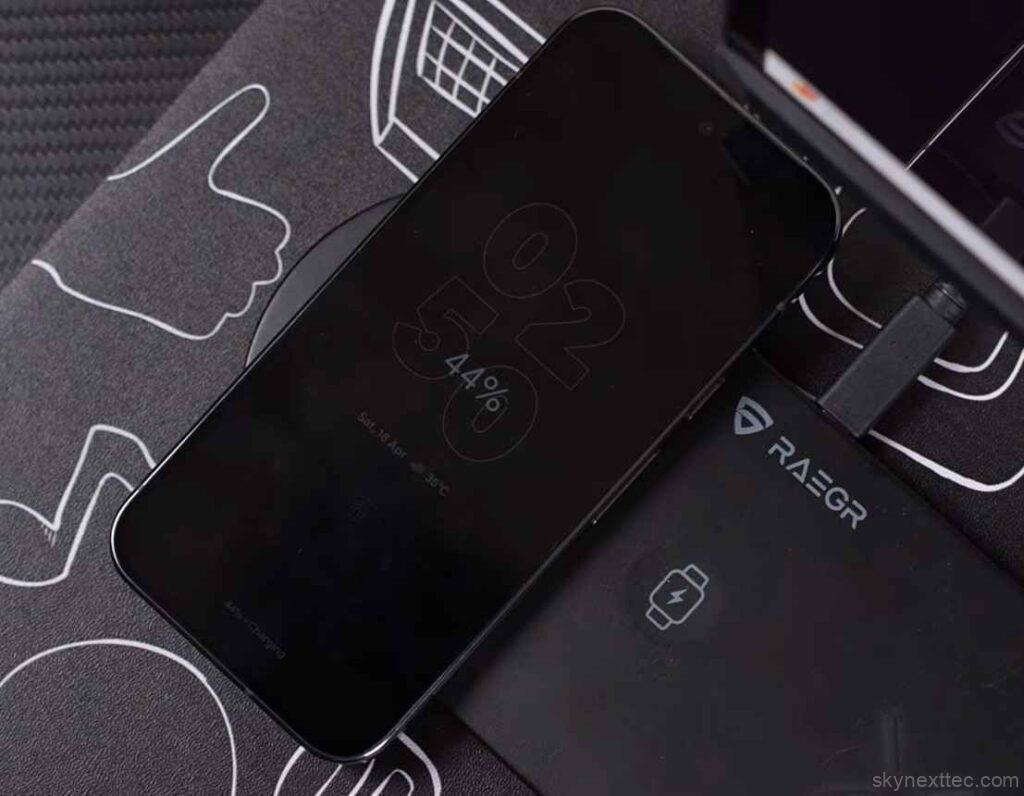
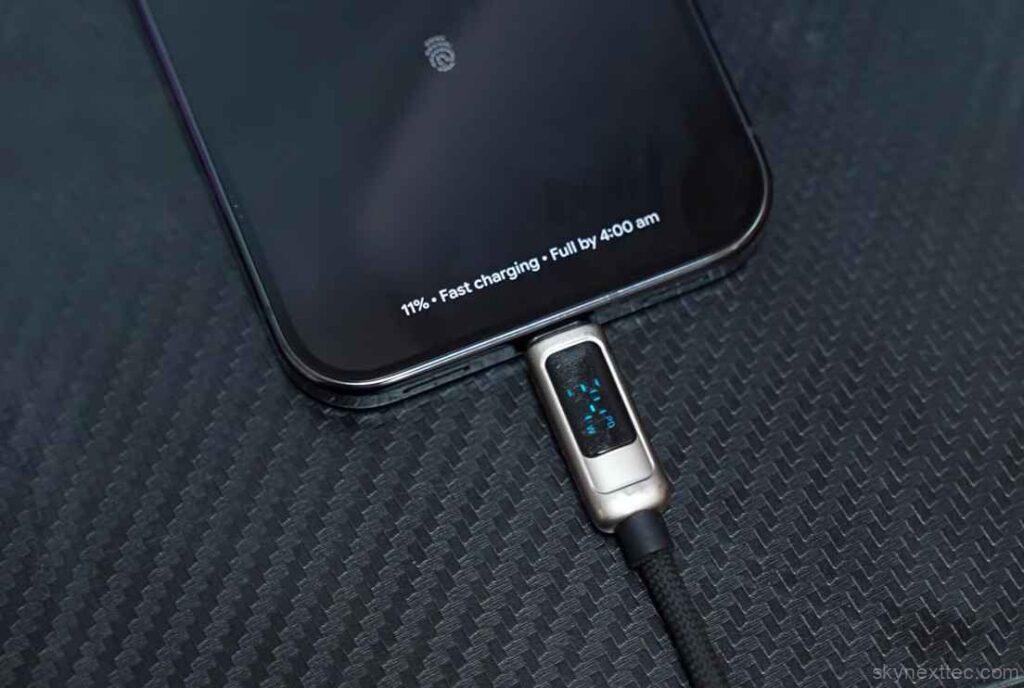
The Pixel 10 Pro packs a 4870mAh battery with support for 30W wired charging and 15W wireless charging. However, like most flagship smartphones today, there is no charger included in the box.
Using a compatible PD charger, the phone charged at around 21W to 22W during testing and took approximately 1 hour 48 minutes for a full charge.
Battery life is decent for daily use. With regular activities like:
- Social media
- Video streaming
- Web browsing
- Multimedia usage
the phone can deliver around 7 to 8 hours of screen-on time. Heavy gaming, however, can reduce the overall battery backup.
Overall, the battery experience is good enough for everyday use, although the charging speeds feel average for a flagship smartphone in this price segment.
Camera Performance – Google Pixel 10 Pro
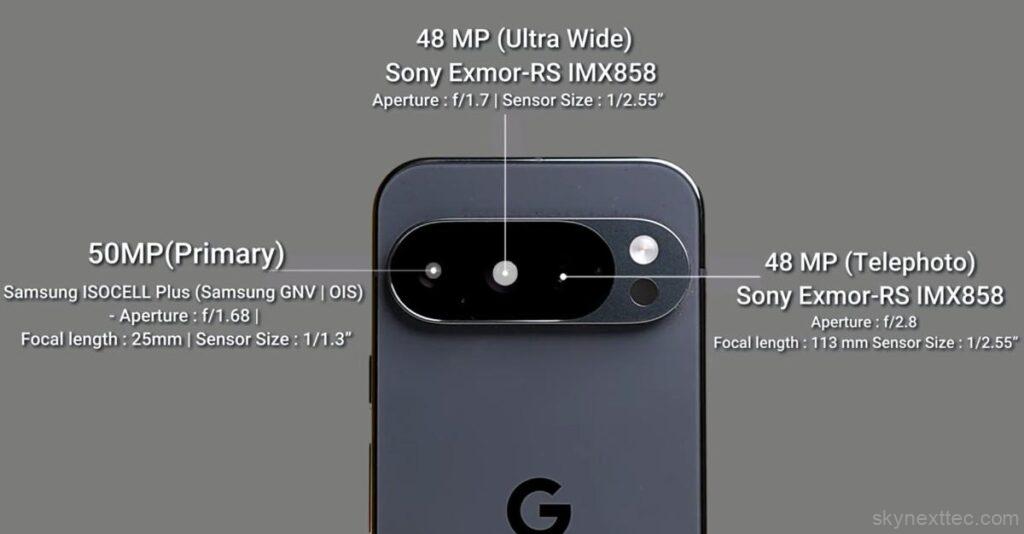
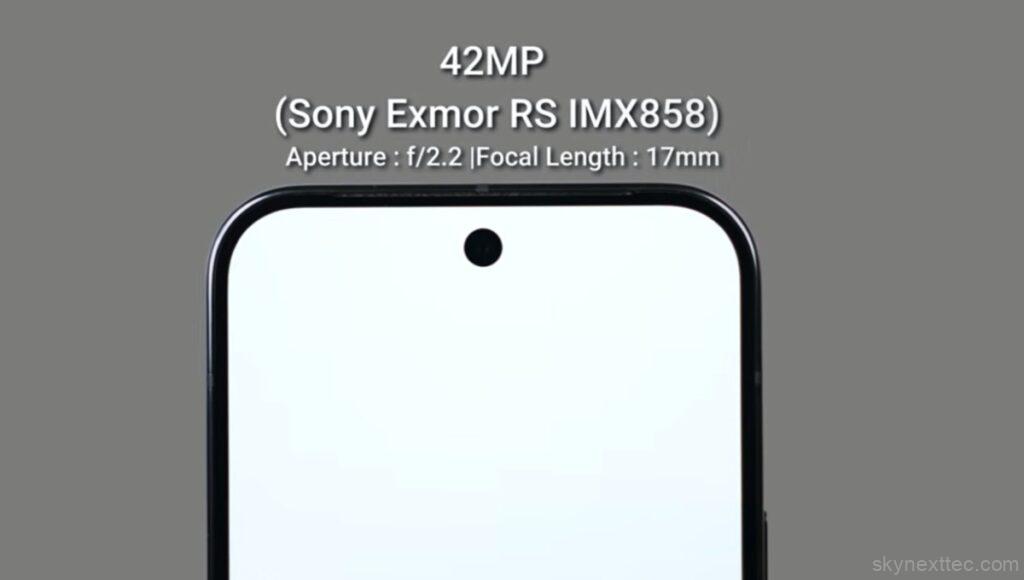
The Pixel 10 Pro features a versatile triple-camera setup with:
- 50MP primary camera
- 48MP ultra-wide camera
- 48MP telephoto camera
- 42MP front camera
Overall, the camera system focuses more on natural colours, balanced processing, and strong dynamic range rather than overly sharp or heavily saturated photos.
Video Recording
The rear camera records up to 4K 60FPS and delivers stable footage with good exposure control, especially in bright outdoor conditions. Dynamic range remains impressive against sunlight, although some scenes can look slightly grainy in the background.
The front camera also supports 4K 60FPS video recording and performs well for vlogging. Skin tones look natural, stabilisation is solid during walking shots, and exposure handling is consistent.
Google also includes a Portrait Video mode, although it is limited to 1080p at 30FPS and only works with the rear camera.
Ultra-Wide Camera




The ultra-wide sensor produces:
- Natural-looking colours
- Good sky and shadow detail
- Strong daylight dynamic range
Indoor shots also look balanced, although low-light ultra-wide photos lose some detail and can struggle with light control around bright street lights.
Primary Camera

The 50MP primary sensor is the highlight of the setup. It captures:
- Natural colours
- Excellent dynamic range
- Strong daylight detail
- Eye-pleasing image processing
Photos maintain consistent colours between the ultra-wide and primary sensors, which improves the overall camera experience.
Low-light performance is decent, although some darker areas can lose detail and bright light sources may appear overexposed. In good indoor lighting, however, the camera captures excellent photos with accurate skin tones and sharp details.
Telephoto Camera

The dedicated telephoto sensor performs very well in daylight and is especially useful for:
- Street photography
- Cinematic shots
- Portrait-style images with natural background blur
Human subjects look particularly good with this sensor thanks to its depth and edge separation. However, low-light telephoto shots become grainy and lose detail quickly.
The phone supports up to 100X zoom, although image quality drops significantly at extreme zoom levels.
Portraits & Selfies
Portrait mode is one of the strongest parts of the Pixel 10 Pro camera system. Edge detection is excellent, background blur looks natural, and skin tones remain realistic in both indoor and outdoor conditions.
However, portraits only work properly with the primary camera, while 2X and 3X options rely on digital crop rather than the dedicated telephoto lens.
Selfies are also impressive, offering:
- Balanced colours
- Good details
- Natural skin tones
- Reliable edge detection in portrait selfies
Macro Photography



The Pixel 10 Pro also captures detailed macro shots with sharp focus and strong texture reproduction. While macro photography may not be used often by everyone, the results are surprisingly good when needed.
Conclusion – Google Pixel 10 Pro
The Pixel 10 Pro is a good smartphone, but it may not appeal to everyone, especially at this premium price point. Expectations are naturally high in this segment, and while Google delivers an excellent software and AI experience, the overall flagship experience can feel slightly underwhelming compared to some rivals.
The phone does not focus heavily on raw performance, and although the cameras are good, they are not dramatically ahead of the competition. Where the Pixel 10 Pro truly stands out is its:
- Clean stock Android experience
- Long-term software support
- Smooth UI performance
- Deep Gemini AI integration
- Smart ecosystem features
However, if you are spending around this price range, alternatives like the Samsung Galaxy S26 Ultra may offer a more complete flagship package overall. Similarly, devices like the Vivo X300 Pro and Oppo Find X9 Pro provide stronger camera-focused experiences.
The Pixel 10 Pro is best suited for users who prioritise:
- Software experience
- AI features
- Clean Android
- Google ecosystem integration
rather than maximum gaming performance or hardware-focused specifications.
Is the Google Pixel 10 Pro good for gaming?
The Pixel 10 Pro can handle popular games like BGMI, Call of Duty Mobile, and Genshin Impact, but it is not a gaming-focused flagship. Performance is decent for casual gaming, although heavy games may show frame drops and heating during longer sessions. Reddit users also mention that Tensor G5 still trails Snapdragon flagship chips for sustained gaming.
Does the Pixel 10 Pro overheat?
Most users report that heating is much better compared to older Pixel phones, especially during normal daily usage. However, the phone can still become warm during:
Gaming
Charging
Camera usage
Outdoor use in hot weather
Several Reddit discussions mention that thermals are improved overall, but heavy workloads can still generate noticeable heat.
How long does the battery last on the Pixel 10 Pro?
Battery life is solid for daily usage, with most users getting:
Around 7 to 8 hours of screen-on time
Full-day battery life with moderate usage
Heavy gaming and camera usage can reduce battery backup more quickly. Some users also mention battery performance improving after a few days due to Android’s Adaptive Battery optimisation.
How good is the Pixel 10 Pro camera?
The Pixel 10 Pro offers excellent camera quality with:
Natural colours
Strong dynamic range
Impressive portrait mode
Reliable selfies
Good low-light performance
The telephoto camera performs especially well in daylight photography and street photography. Google’s image processing focuses on realistic colours instead of overly saturated images.
Is the Pixel 10 Pro worth buying in 2026?
The Pixel 10 Pro is worth considering if you prioritise:
Clean Android experience
AI features
Google ecosystem integration
Long software support
Natural camera processing
However, users focused on maximum gaming performance or ultra-fast charging may prefer alternatives like the Samsung Galaxy S26 Ultra or gaming-focused Android phones.